Unlocking the Potential of Cutting-Edge Research Peptides
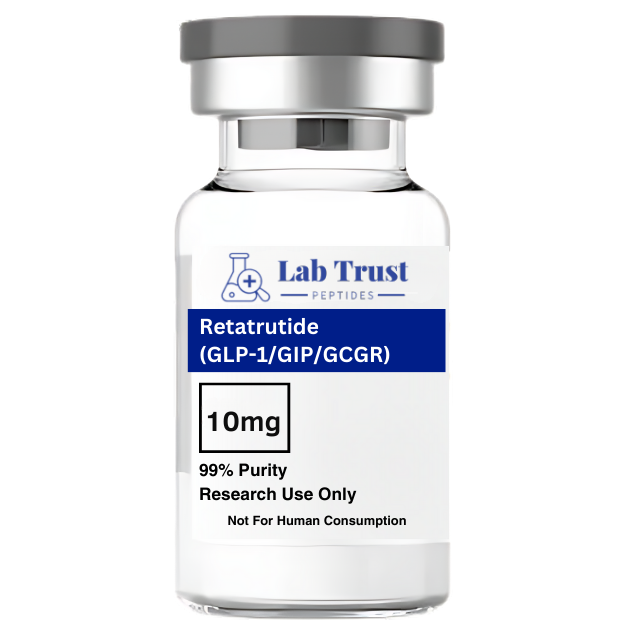
In recent years, the field of peptide research has witnessed remarkable advancements. Scientists are increasingly exploring synthetic peptides to better understand complex biological systems, particularly in metabolic and endocrine research. Among these innovative compounds, one peptide has garnered attention for its multi-receptor activity: the retatrutide research peptide. Its unique design allows researchers to investigate multiple hormonal pathways simultaneously, offering exciting possibilities in experimental biology.
What Makes Retatrutide Research Peptide Unique?
The retatrutide research peptide stands out due to its triple agonist mechanism targeting GLP-1, GIP, and glucagon receptors. This multi-faceted action provides a rich model for studying integrated metabolic regulation. Unlike single-receptor peptides, Retatrutide allows laboratories to examine how various hormonal pathways interact, potentially revealing insights into energy balance, glucose control, and lipid metabolism.
- Researchers appreciate that each batch comes with verified Certificates of Analysis (COA), ensuring consistency and purity above 99%. This reliability is crucial for reproducible experiments and maintaining confidence in research outcomes.
Its ability to engage multiple receptors makes Retatrutide an essential tool in the study of endocrine networks. For laboratories, this peptide is not just another compound—it is a gateway to exploring interconnected biological systems in a controlled environment.
Laboratory Applications and Research Insights
One of the most intriguing aspects of the retatrutide research peptide is its versatility in laboratory settings. Researchers use it to investigate several critical areas:
- Metabolic regulation studies: Retatrutide’s multi-receptor activity helps scientists examine how hormones influence energy utilization and storage.
- Triple-receptor signaling models: By activating GLP-1, GIP, and glucagon pathways, it allows detailed exploration of hormone crosstalk.
- Glucose and lipid metabolism: Understanding the peptide’s effects on these pathways can inform the design of more comprehensive metabolic models.
- Energy balance mechanisms: Its complex interactions make it ideal for studying the coordination of multiple physiological processes.
The peptide is provided in lyophilized form, ready for reconstitution with sterile solutions according to laboratory protocols. Proper handling and storage, typically at low temperatures, maintain its stability and purity, ensuring that experiments are not compromised.
Practical Handling Tips
- Always use bacteriostatic water or approved laboratory solvents for reconstitution.
- Store lyophilized peptide at -20°C and reconstituted peptide at 2–8°C.
- Protect from light, moisture, and repeated freeze-thaw cycles to maintain analytical integrity.
These guidelines are essential for preserving peptide performance, especially in sensitive metabolic research.
Conclusion: A New Era of Research Possibilities
The retatrutide research peptide exemplifies the potential of advanced synthetic peptides in modern laboratories. Its multi-receptor design, coupled with rigorous quality control, makes it a reliable and versatile tool for exploring complex endocrine and metabolic pathways. Researchers benefit not only from its high purity but also from the wealth of insights it can provide into interconnected hormonal systems.
As the scientific community continues to unravel the intricacies of metabolism and energy regulation, compounds like Retatrutide are paving the way for deeper understanding and innovative experimental approaches. For labs aiming to push the boundaries of peptide research, Retatrutide is more than just a reagent—it is a window into the future of metabolic science.











Post Comment