Secondary Containment Coating Contractors Improving Industrial Performance
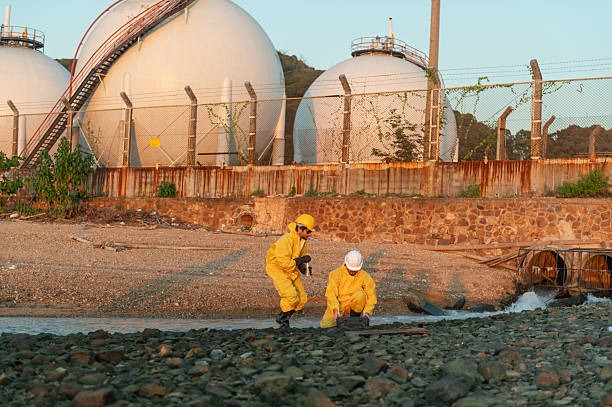
Industrial facilities must maintain strong containment systems to protect structures from chemical exposure and environmental damage. Industrial operations involving hazardous materials require durable coatings that can resist corrosion, abrasion, and leaks. Experienced secondary containment coating contractors help businesses install high-performance systems that improve safety and operational reliability.
Protective containment coatings are used in many industries, including manufacturing, chemical processing, energy production, and water treatment. These systems help facilities maintain safe operations while reducing maintenance expenses and structural deterioration.
Understanding Industrial Containment Coatings
Containment coatings act as a barrier between hazardous substances and structural surfaces. Concrete and steel surfaces are highly vulnerable to corrosion when exposed to chemicals or moisture over long periods. Protective coatings prevent this damage and increase the lifespan of industrial infrastructure.
Professional secondary containment coating contractors evaluate industrial conditions before selecting suitable coating materials. The choice of coating depends on factors such as chemical exposure, temperature changes, and traffic levels within the facility.
Containment systems are especially important in areas where leaks or spills may occur. Properly coated containment zones help prevent hazardous substances from spreading and causing environmental contamination.
Surface Preparation for Lasting Results
The durability of a coating system depends greatly on the quality of surface preparation. Contaminants such as oil, dirt, and moisture can reduce coating adhesion and lead to premature failures.
Experienced Industrial Containment Lining Installers use advanced preparation methods to create a clean and stable surface. Grinding, abrasive blasting, and crack repairs are common preparation techniques used before applying protective coatings.
Once preparation is complete, installers apply the coating system according to precise specifications. Uniform application thickness and proper curing are essential for achieving reliable long-term performance.
Advantages of High-Quality Coating Systems
Industrial containment coatings provide numerous operational benefits. One important advantage is improved chemical resistance. Facilities handling acids, fuels, or solvents require coatings capable of resisting aggressive substances without degrading.
Containment systems also reduce maintenance requirements by protecting structural surfaces from damage. Facilities with durable coatings often experience lower repair costs and fewer production interruptions.
Another key benefit is enhanced workplace safety. Coated surfaces help minimize the risk of chemical leaks and structural failures, creating a safer environment for industrial personnel and surrounding communities.
Industrial Applications of Containment Coatings
Containment coatings are used in many industrial environments. Storage tank areas often require durable lining systems to prevent leaks from reaching surrounding surfaces. Manufacturing plants use protective coatings in processing zones exposed to corrosive materials.
Wastewater treatment facilities rely on protective systems to guard against constant moisture exposure and chemical attack. Industrial flooring systems also benefit from coatings that resist impact, abrasion, and heavy machinery traffic.
Professional Industrial Containment Lining Installers customize coating solutions for each facility based on operational needs and environmental conditions. Tailored systems provide better durability and long-term protection.

Importance of Routine Maintenance
Even the best containment systems require regular inspections and maintenance. Over time, coatings may experience wear due to chemical exposure, heavy traffic, or temperature fluctuations. Preventive maintenance helps identify small issues before they become major problems.
Secondary containment coating contractors often provide inspection and repair services to maintain coating performance. Routine maintenance may involve repairing damaged areas, recoating surfaces, or checking seams for signs of deterioration.
Consistent maintenance extends the service life of containment systems and helps facilities maintain compliance with environmental regulations. Well-maintained coatings improve operational efficiency and reduce unexpected repair expenses.
Future of Industrial Containment Protection
Industrial coating technologies continue to improve as industries demand stronger and more durable containment systems. Modern coatings provide better flexibility, faster curing times, and improved chemical resistance compared to older systems.
Facilities are increasingly investing in advanced protective solutions to improve sustainability and reduce long-term operational costs. Skilled Industrial Containment Lining Installers play an important role in implementing these modern systems effectively.
As industrial safety regulations continue to evolve, containment coatings will remain essential for protecting infrastructure and supporting responsible industrial operations.
Conclusion
Industrial containment coatings are critical for preventing corrosion, chemical damage, and environmental contamination. High-performance systems improve safety, durability, and maintenance efficiency across many industries. Experienced Industrial Containment Lining Installers ensure proper installation and reliable long-term performance. By partnering with trusted secondary containment coating contractors, businesses can strengthen infrastructure protection and maintain safe industrial operations for years to come.









Post Comment