Can a Fiber Drink Mix Really Help You Feel Full Between Meals?
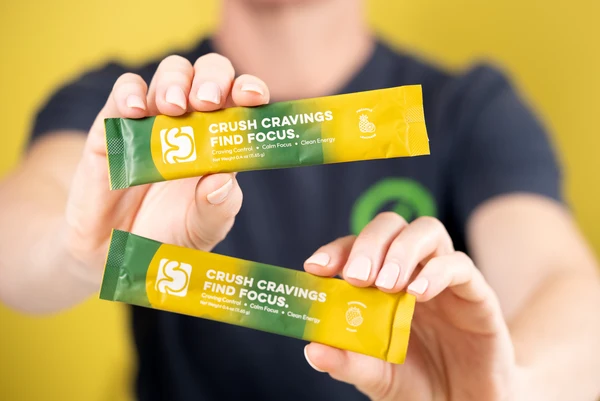
Picture 3 PM on a normal workday. Lunch is a distant memory, the next meeting is not for an hour, and the vending machine suddenly feels like a personal invitation. If that scene is familiar, you are far from alone, and a fiber drink mix is one of the simpler tools people reach for to deal with it.
But does it hold up beyond marketing? This piece looks at why afternoon hunger happens, what studies say about fiber and fullness, how to time a drink for the best effect, and where the limits sit. The short version is encouraging, with a few honest caveats.
Why Do Cravings Hit Hardest in the Afternoon?
Afternoon cravings usually come from a mix of falling energy, long gaps since your last meal, stress and habit. The body is not always asking for food. Often it wants a lift, a break or a change of scenery.
What Role Does Fiber Play in Fullness?
Fiber affects fullness in two ways. First, soluble types like psyllium form a gel that slows how fast the stomach empties. Second, fermentable types feed gut bacteria that produce short chain fatty acids, which are linked with appetite hormones such as GLP-1 and PYY. A meal low in fiber, like a white bread sandwich with chips, digests quickly and leaves you hunting for more by mid afternoon. A meal or drink with a solid dose of fiber tends to stretch that window.
Fullness is not only about the stomach. Chewing time, protein, fat and even the volume of food all send signals. Fiber contributes to that picture but rarely tells the whole story on its own.
Is It Hunger, Habit or Stress?
Ask yourself three questions before you snack. Did I eat within the last three hours? Would I eat a plain apple right now? Am I bored or tense? If the answer to the apple question is no, you are probably dealing with a craving rather than real hunger. Cravings respond to stress, screens and smell as much as to an empty stomach. A fiber drink cannot fix boredom, but it can blunt the physical side of the urge, which makes the mental side easier to manage.
A small experiment can help. Next time the urge hits, drink a full glass of water, wait ten minutes and rate the craving again. If it dropped sharply, thirst or habit was driving it. If it stayed strong, your body may want real food, and that is worth respecting.
What Does the Research Say About Fiber and Appetite?
Studies generally show that viscous fibers, meaning the thick, gel forming kind, increase feelings of fullness and can reduce how much people eat at the next meal. The effects are real but modest, and they depend on dose, viscosity and the person.
How Does Viscous Fiber Slow Digestion?
Viscosity is the key word. Thicker gels slow the mixing of food with digestive enzymes and delay how quickly sugar reaches the bloodstream. Slower absorption means a gentler blood sugar curve, and a gentler curve means fewer sharp dips that send you looking for a snack. Psyllium is among the most viscous fibers available, which is why it shows up in so many satiety studies. Doses in trials commonly range from about 3 to 10 grams before meals.
Are the Results Big or Modest?
Modest is the fair word. Reviews of viscous fiber trials tend to show small effects on body weight over several weeks, and some studies show no difference at all. Fullness ratings improve more reliably than the scale does. That matters, because feeling satisfied is what helps people stick with their eating plan. Fiber is a helper, not a shortcut, and anyone promising rapid change from a single powder is overselling it.
Sugar handling is another angle. Because viscous fiber slows how fast carbohydrates are absorbed, it can blunt the spike that follows a carb heavy meal. People who feel a slump after lunch often connect the dots here. Fewer sharp swings can mean fewer sudden urges, though individual responses differ, and anyone managing diabetes should talk with their care team before adding fiber around meals.
How Do You Use a Fiber Drink Mix to Curb Snacking?
Timing and preparation decide most of the outcome. Drink it before your predictable craving window, mix it properly and pair it with water and real food.
When Should You Drink It?
Aim for 15 to 30 minutes before the moment cravings usually start. For many office workers that means around 2:30 in the afternoon. The fiber needs time to thicken in the stomach, so drinking it while the craving is already screaming defeats the purpose. Some people also use one before a large lunch to help with portion size. Hunger Busters, for example, suggests mixing a stick into 12 to 16 ounces of water and drinking it within a couple of minutes, before it thickens.
Consistency counts more than perfection. Miss a day and nothing terrible happens. But taking it at the same time most days lets you learn what your body does with it, and it turns a shaky habit into an automatic one. Many people attach it to an existing cue, like finishing a lunch break or closing a laptop tab at 2:30.
What Should You Pair It With?
Pair it with protein and water. A handful of nuts, a boiled egg or a cup of Greek yogurt alongside your drink gives the fiber company and keeps energy steadier than fiber alone. Skip the temptation to treat the drink as a whole meal. It contributes a few grams of fiber and almost no protein, so it works as a support act. Keep a glass of plain water nearby too, since fiber pulls fluid into your gut and you want that fluid to come from your glass, not from your tissues.
Flavor plays a bigger role than people admit. A drink that tastes pleasant feels like a small reward, which can replace the ritual of a snack. Fruity, sugar free options make a decent afternoon swap for a soda or an energy drink, and cold water often improves the taste.
What Can a Fiber Drink Mix Not Do?
A fiber drink mix cannot replace balanced meals, cancel out a poor diet or solve emotional eating. It supports fullness. It does not remove the reasons behind overeating.
Will It Replace a Balanced Meal?
No. A serving offers a few grams of fiber and little else. It has no meaningful protein, healthy fat, iron or vitamin content. Someone who swaps meals for fiber drinks will feel hungry again quickly and may miss important nutrients. Use the drink between meals or alongside them, never instead of them.
What Are Realistic Expectations?
Expect a subtler effect than the ads suggest. Many people describe going a little longer before thinking about food, or eating a smaller portion at dinner. Give it two to four weeks of consistent use before you judge it, and track what you notice, such as afternoon snacking, portion size and digestion. If nothing changes after a month, the honest move is to reassess the dose, timing or product rather than double the amount.
Keep an eye on bathroom habits as well. Fiber often makes stools softer and more regular, which many users count as a welcome bonus. If you notice hard stools or cramping instead, you likely need more water or a smaller dose.
So, Will a Fiber Drink Mix Keep You Full Between Meals?
For many people, yes, at least somewhat. Viscous fiber slows digestion, supports fullness signals and can take the edge off a predictable afternoon craving. It works best when timed ahead of the craving, mixed with enough water and paired with real food. Treat it as one piece of a routine that also includes protein, sleep and sensible meals, and check with a health professional if you have a medical condition.
Fiber Drink Mix and Fullness FAQs
How long does a fiber drink mix keep you full?
It varies, but many people notice extra fullness for a few hours. The dose, the type of fiber and what else you ate all change the result.
Can I take a fiber drink mix on an empty stomach?
Yes, as long as you mix it with enough water and drink it promptly. Some people prefer a small snack alongside it if their stomach is sensitive.
Does a fiber drink mix help with sugar cravings?
It may help indirectly by slowing sugar absorption and smoothing out energy dips. It will not remove habit driven cravings on its own.
How much fiber is too much in one day?
Most adults tolerate 25 to 40 grams a day from food and supplements combined, as long as they raise intake gradually and drink enough fluid.
Can a fiber drink mix cause weight loss on its own?
Not reliably. Studies show small effects at best, so it works best beside balanced meals, movement and good sleep.











Post Comment