Designing Competition Boards: Rendering Tips for International Architecture Competitions
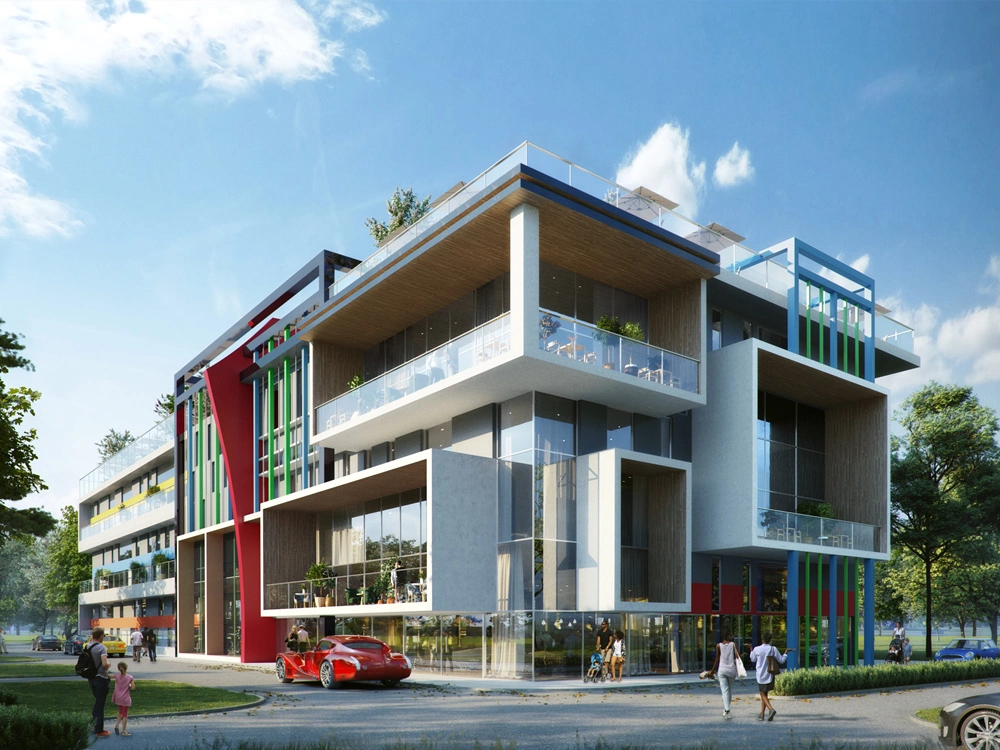
A competition board is a small stage for a big idea. Within a single sheet or a few slides, your team must explain a concept, show how it responds to the brief, and persuade a jury that your proposal deserves attention. Teams entering international architecture competitions often discover that composition and imagery matter as much as the design itself. A strong hero image can draw the eye, while supporting visuals add depth. Working with a 3D exterior rendering service can help, but even if you produce images in house, a few principles will improve the result. This article shares practical tips for planning boards and visuals that communicate clearly under pressure.
Start With the Hero Image
The hero image is the picture most people will remember. It should show the building at its best, in a setting that communicates its purpose and character.
Choose a viewpoint that explains the design. A street level view can convey human scale, while an aerial view shows relationship to the site.
Decide on light and mood early. A golden hour glow, a crisp midday scene, or a dusk view with warm interior lights each tells a different story.
Experiment with crops and focal points. A tightly cropped view can emphasize detail and materials, while a wider composition communicates site and scale. Choose the one that best supports your central idea.
If your design has a strong site relationship, consider a second hero view that shows the building within its surroundings, so the jury can judge both the object and its setting.
Plan the Whole Board for International Architecture Competitions
Think of the board as a narrative. Context and diagrams explain the idea, plans and sections show the logic, and renderings bring it to life.
Leave breathing space. Overcrowded boards are tiring to read. Use a clear hierarchy, with one dominant image and a handful of supporting ones.
Keep text short. Jurors have limited time, so use concise headings and brief captions.
Test your layout at the actual submission size. Text that looks fine on a large monitor may become unreadable when printed or viewed on a smaller screen, so verify legibility before final export.
Make Rendering Consistent
All images should share a visual language. Use the same palette, lighting style, and level of detail, so the board feels unified.
Add people, vegetation, and vehicles with restraint. They give scale and life but should not overpower the architecture.
When you look for support, read how studios discuss their field. Aimir CG publishes industry news and trends that can help teams following international architecture competitions understand what visual standards are expected.
Provide the rendering team with a layout sketch so they know where each image will sit. This helps them choose aspect ratios and leaves room for text and diagrams.
Choose a restrained color palette for the board. Neutral backgrounds help renderings stand out, and a single accent color can guide the eye through the story.
Work Backward From the Deadline
Set an internal deadline several days before submission. Lock the design early enough that renderings can be produced without constant change. Test print or screen view the board at the required size to make sure details remain legible.
Looking ahead, many competitions are moving to digital submissions, which makes animation and interactive elements more viable, but clear composition will still win attention.
After submission, keep high resolution copies of your board and images. They will be useful for your portfolio, publications, and future competitions.
Conclusion
Good competition visuals are planned, not improvised. Focus on a strong hero image, a clear narrative, and consistent rendering. With careful preparation and perhaps the help of a skilled 3D exterior rendering service, your entry to international architecture competitions can communicate its idea instantly.









Post Comment