Smarter Operations in the Field: The Digital Backbone of Modern Service Teams
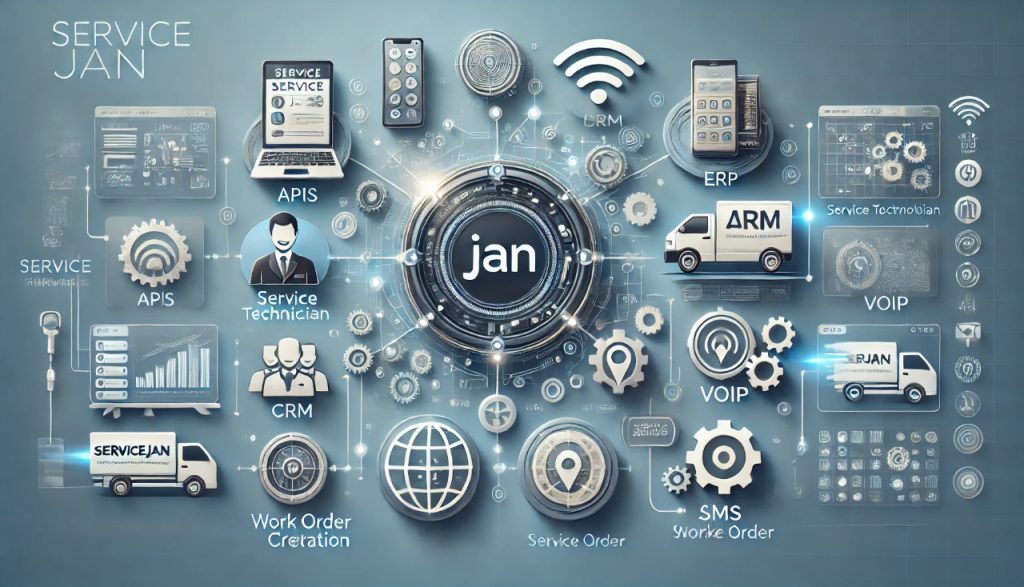
In today’s fast-paced service industry, businesses are constantly looking for ways to streamline operations, reduce delays, and improve customer satisfaction. One of the most effective solutions driving this transformation is field service management software. It acts as a central hub that connects office teams, field technicians, and customers in real time, ensuring that every task is handled efficiently from start to finish.
Modern service organizations—whether in HVAC, utilities, telecom, or maintenance—face daily challenges such as scheduling conflicts, delayed job updates, and poor communication between teams. This is where digital tools step in to simplify workflows. With the help of smart automation, companies can assign jobs instantly, track field workers on the move, and update customers without manual intervention. One key advantage is visibility; managers gain a complete overview of ongoing tasks, which helps them make quicker and more informed decisions.
Another important benefit is improved resource allocation. Instead of relying on phone calls or spreadsheets, businesses can automatically assign the right technician based on skill, availability, and location. This reduces downtime and improves first-time fix rates. As a result, companies not only save time but also reduce operational costs significantly.
Additionally, customer experience improves dramatically. Clients no longer have to wait for updates or wonder when a technician will arrive. Real-time notifications and accurate scheduling create transparency and build trust. Over time, this leads to stronger customer relationships and higher retention rates.

The growing importance of field service management software in service efficiency
As industries continue to evolve, the demand for faster and more reliable service delivery is increasing. Businesses are no longer satisfied with traditional manual systems because they often lead to errors, delays, and miscommunication. This is why Field service management software has become a critical part of modern business infrastructure.
One of the standout features of this technology is intelligent scheduling. Instead of manually assigning tasks, the system automatically matches jobs with the most suitable technician. This ensures better productivity and reduces unnecessary travel time. For example, a technician located closer to the job site can be assigned instantly, improving response time and customer satisfaction.
Another major advantage is mobile accessibility. Field workers can receive job details, update progress, and upload reports directly from their smartphones. This eliminates paperwork and reduces dependency on office communication. A simple mobile update can instantly reflect in the system, keeping everyone on the same page.
Inventory and asset tracking also become much easier. Companies can monitor tools, spare parts, and equipment in real time, reducing the chances of shortages or mismanagement. This level of control helps businesses maintain operational continuity without unexpected disruptions.
Moreover, data analytics plays a key role in improving long-term performance. Managers can analyse trends such as job completion times, technician efficiency, and customer feedback. These insights help businesses identify gaps and optimize their operations for better results.
Conclusion:
The shift toward digital transformation is no longer optional for service-based industries—it is essential. Tools like field service management software are reshaping how businesses operate by improving coordination, reducing manual effort, and enhancing customer satisfaction.
By integrating automation, real-time communication, and data-driven decision-making, companies can achieve higher efficiency and consistency in their daily operations. This not only helps them stay competitive but also ensures long-term growth in an increasingly demanding market.
As technology continues to advance, businesses that embrace these smart systems will be better positioned to deliver faster, more reliable, and more personalized services. In the end, success in the field service industry will belong to those who combine human expertise with intelligent digital solutions.











Post Comment